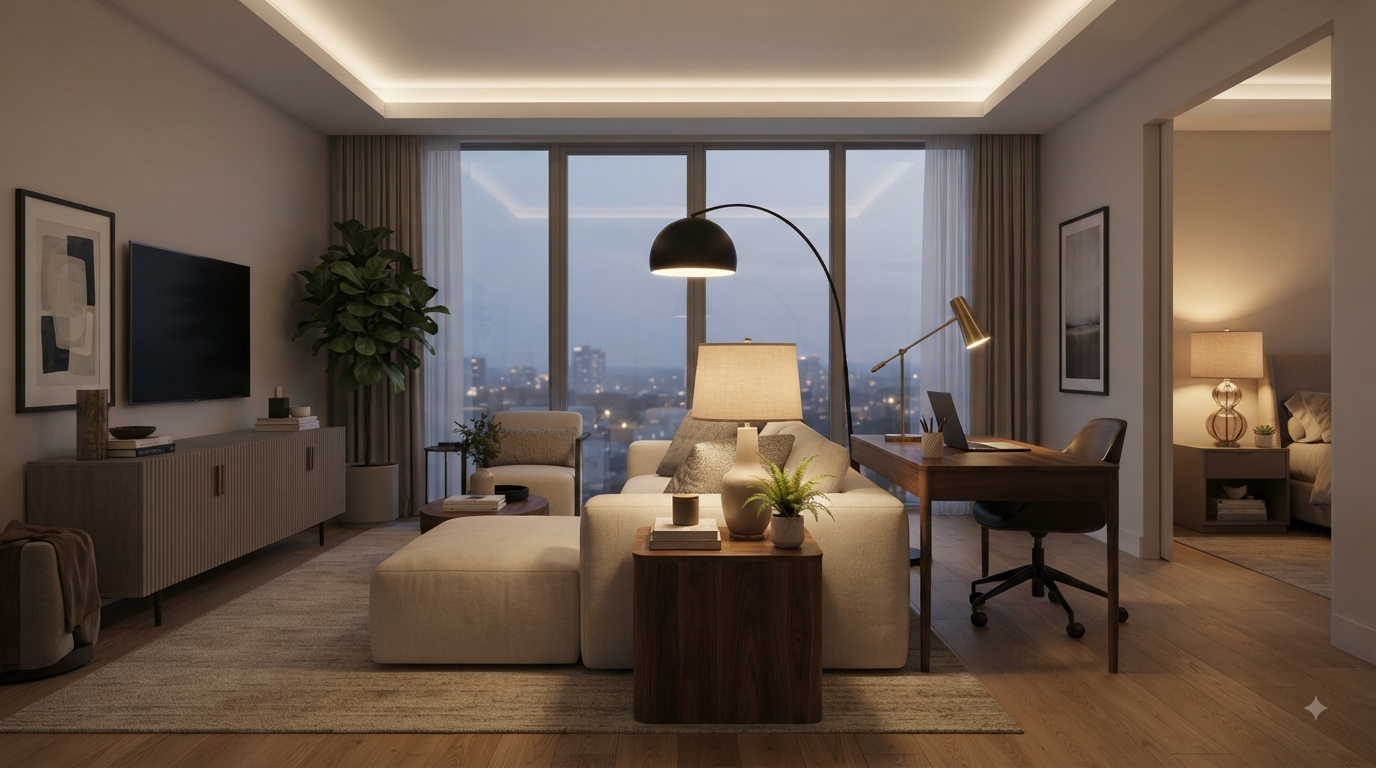
Lighting determines how comfortably, safely, and effectively a room can be used. A lamp may provide focused illumination for detailed work, soften the atmosphere in a bedroom, brighten a dark corner, or become a distinctive part of the décor. Lamps4u brings different lighting styles and functions into one subject area, making it useful to understand how each option fits a particular setting before choosing one.
The best lamp is not necessarily the brightest, largest, or most decorative model. Its value depends on light quality, placement, controls, construction, energy use, and compatibility with the surrounding space. A careful selection creates balanced illumination without unnecessary glare, awkward shadows, visual clutter, or excessive power consumption.
Understanding the Purpose of a Lamp
Every lamp should solve a defined lighting requirement. Selecting by appearance alone can result in an attractive fixture that does not provide suitable illumination. The intended activity and location should therefore guide the decision.
Ambient lamps contribute to the general brightness of a room. Floor lamps, larger table lamps, and upward-facing fixtures often perform this role. Their light should spread comfortably across the surrounding area rather than create a harsh, concentrated beam.
Task lamps direct light toward activities such as reading, writing, studying, crafting, or computer work. Desk lamps, adjustable floor lamps, and bedside reading lights require controlled positioning and sufficient brightness. A good task lamp illuminates the work surface while keeping direct glare away from the eyes.
Accent lamps highlight architectural details, artwork, furniture, plants, or decorative objects. These fixtures usually support the main lighting rather than replace it. Their purpose is to add depth and visual structure to the room.
Decorative lamps function as visible design elements while still contributing useful light. Tiffany-style lamps, Turkish mosaic lamps, stained-glass shades, flower lamps, and sculptural fixtures can introduce color, pattern, or character. Their practical output should still be considered alongside their appearance.
Lamp Types and Their Most Suitable Uses
Lamps4u covers a broad range of lighting categories, but each type serves a different purpose. Understanding these differences prevents mismatched purchases and improves the overall lighting arrangement.
Floor Lamps
Floor lamps are effective in living rooms, bedrooms, home offices, and reading areas where ceiling lighting is limited or overly harsh. They can introduce light at a lower level, making the room feel warmer and more balanced.
An arc floor lamp can extend illumination over a sofa or table without requiring a ceiling connection. A torchiere directs light upward for broad ambient coverage, while an adjustable floor lamp can support reading or other focused activities.
Stability is essential. A weighted base is particularly important in homes with children or pets. The height and shade design also affect whether the light remains comfortable when people are seated nearby.
Table and Bedside Lamps
Table lamps combine practical illumination with decorative value. Their scale should correspond with the furniture beneath them. A small lamp can appear lost on a wide console, while an oversized fixture may overwhelm a compact nightstand.
For bedside use, accessible controls are especially valuable. Touch operation, dimming, or conveniently positioned switches make the lamp easier to manage at night. The shade should diffuse the light while allowing enough illumination for reading and movement around the room.
A lamp used on one side of a bed does not always need an identical partner. However, paired lamps can create visual balance and consistent light for two users.
Desk Lamps
A well-designed desk lamp should allow the beam to be positioned precisely. Adjustable arms, rotating heads, stable bases, and clamp-mounted designs are useful where workspace is limited.
Placement matters as much as brightness. Right-handed users generally benefit from placing the lamp on the left side of the desk, while left-handed users can place it on the right. This arrangement reduces shadows cast by the writing hand.
Computer work requires softer supplemental lighting rather than a strong beam directed at the screen. The lamp should illuminate the desk without producing reflections or a severe brightness contrast between the monitor and the surrounding room.
Cordless and Rechargeable Lamps
Cordless lamps are suitable for dining tables, shelves, patios, bedside surfaces, and areas without convenient electrical outlets. Their portability makes them adaptable, but battery capacity and charging arrangements deserve attention.
A useful rechargeable lamp should provide enough operating time for its intended purpose, stable performance as the battery level declines, and simple access to the charging port. Outdoor use also requires confirmation that the fixture is designed for the relevant conditions. A portable design alone does not make a lamp weather-resistant.
Decorative and Mood Lamps
Sunset lamps, jellyfish-effect lamps, lava lamps, mosaic fixtures, and novelty night lights produce atmosphere rather than primary room illumination. They work best as part of a layered scheme supported by practical ambient or task lighting.
Color-changing effects can add visual interest to bedrooms, entertainment spaces, and creative studios. Controls should be straightforward, and moving decorative products should be positioned on secure surfaces away from edges.
Children’s night lights require particular care. Materials, battery compartments, small components, surface temperature, and charging equipment should all be evaluated for age-appropriate use.
Candle Warmer Lamps
Candle warmer lamps use a controlled light source to warm a candle from above, releasing fragrance without an exposed flame. They are distinct from ordinary table lamps and should only be used according to the product’s stated purpose.
Timer and brightness controls can improve convenience, but heat remains an important consideration. The lamp should stand on a level, heat-resistant surface with clear space around the shade and candle. Only candle sizes compatible with the fixture should be used.
Read Also: How to Fix Bug on EveBioHazTech
Light Quality Matters More Than Brightness Alone
Brightness is commonly expressed in lumens. A higher lumen value indicates more visible light, but it does not automatically mean better lighting. A comfortable result depends on how the light is distributed, its color appearance, and the activity taking place.
Warm light generally creates a relaxed atmosphere suited to bedrooms, living rooms, and hospitality-style spaces. Neutral light can provide a clean, balanced appearance in kitchens, work areas, and multipurpose rooms. Cooler light may support visually demanding tasks, although excessive coolness can make residential spaces feel clinical.
Color rendering also affects how accurately fabrics, artwork, food, skin tones, and furnishings appear. A light source with stronger color-rendering performance is valuable in dressing areas, kitchens, studios, and rooms where material colors are important.
Dimming adds flexibility by allowing one lamp to serve different conditions throughout the day. Compatibility must be checked across the bulb, lamp, and dimmer control. An incompatible combination may flicker, hum, operate unevenly, or fail to dim properly.
Read Also: FeedBuzzard Code
Proportion and Placement
A lamp should relate naturally to the furniture and architecture around it. Correct proportions make the lighting feel integrated rather than added as an afterthought.
The lower part of a lampshade should usually shield the brightest point of the bulb from normal viewing angles. If the lamp is too tall, direct light may cause glare. If it is too short, it may not illuminate the intended area effectively.
In a reading corner, the light should fall across the page from beside or slightly behind the reader. On a bedside table, the lamp should be accessible without stretching. On a desk, the beam should cover the active work area without reflecting into the eyes or screen.
Multiple lamps positioned at different heights often create a better result than one extremely bright fixture. Ceiling lighting can provide general visibility, a floor lamp can soften a darker zone, and a table or desk lamp can support focused activity. This layered approach gives the room depth while allowing each light source to perform a specific function.
Materials, Shades, and Construction
Lamp materials affect stability, maintenance, durability, and visual character. Metal bases can provide strength and weight, while ceramic, glass, wood, and composite materials offer different decorative qualities.
A fabric shade diffuses light softly but can collect dust. Glass shades are easier to wipe but may show fingerprints and require careful handling. Metal shades direct light more firmly and are often effective for task lighting. Stained-glass and mosaic shades create patterned illumination, although their decorative surfaces may reduce the amount of usable light.
Construction details deserve close inspection. The fixture should stand evenly, joints should feel secure, and adjustable parts should remain in position after movement. Cords should enter the base cleanly without exposed conductors, sharp bends, or loose connections.
The bulb holder, plug type, voltage rating, and maximum supported wattage must match the intended installation. Electrical compatibility is a safety requirement, not merely a performance preference.
Evaluating LED Lamps
LED technology is widely used because it can provide substantial light with comparatively low energy consumption and a long operational life. Actual performance still varies between products.
A reliable LED lamp should maintain consistent brightness, avoid visible flicker, manage heat effectively, and provide a suitable color temperature. Integrated LED fixtures may offer a clean, compact design, but the light source may not be replaceable. A conventional lamp with a replaceable LED bulb can be easier to maintain over time.
For frequently used rooms, energy efficiency can produce meaningful long-term savings. In areas used only occasionally, comfort, design, and purchase cost may carry greater weight. The best choice considers the complete use pattern rather than relying on a single specification.
Safety and Responsible Use
Safe lighting begins with correct installation and everyday handling. Manufacturer instructions and electrical ratings should always take priority over decorative preferences.
Lamps should be kept away from water unless specifically designed and rated for damp or wet locations. Ventilation openings must remain unobstructed, particularly around fixtures that generate noticeable heat. Cords should not run beneath rugs, through doorways, or across walkways where they can be damaged or create a trip hazard.
A damaged plug, frayed cable, loose holder, cracked body, or persistent flicker requires attention. The lamp should be disconnected until the problem has been assessed. Electrical repairs should be handled by a suitably qualified professional.
Heat lamps and products marketed for therapeutic purposes require additional caution. Decorative or retail descriptions should not be treated as medical evidence. Any device intended for health-related use should have clear technical documentation, appropriate certification, and instructions covering exposure, distance, contraindications, and safe operation.
Comparing Products Responsibly
A strong comparison considers more than photographs, star ratings, or a promotional price. Product dimensions, materials, control type, bulb requirements, warranty information, seller details, delivery terms, and return conditions all influence suitability.
Measurements are particularly important online. Product photography can make a lamp appear larger or smaller than it is. Checking the full height, base width, shade diameter, cord length, and clearance around adjustable sections helps prevent scale-related problems.
Ratings can provide useful context, but the written details behind them are more informative. Comments about stability, real-world brightness, assembly, switch quality, color accuracy, charging performance, and long-term reliability reveal practical strengths and weaknesses.
Prices and availability can change, especially when products are presented through third-party retailers. The final seller page should therefore be checked for the current cost, specifications, stock status, shipping terms, and return policy before an order is placed.
Maintaining Different Lamp Styles
Regular maintenance preserves both appearance and light output. Dust can noticeably reduce brightness, particularly on textured shades and decorative glass.
Before cleaning, switch off and unplug the lamp, then allow it to cool completely. Fabric shades can usually be dusted with a soft brush or lint-free cloth. Glass and metal surfaces may be cleaned with a lightly dampened cloth, provided moisture is kept away from electrical components.
Stained-glass and mosaic shades require gentle handling. Harsh cleaners can damage finishes, weaken decorative joints, or leave residue. The shade should be supported securely during cleaning rather than held by a delicate edge.
Rechargeable lamps should be charged with the specified equipment and stored away from excessive heat. If the battery shows swelling, leakage, unusual odor, overheating, or physical damage, the product should no longer be used.
Building a Balanced Lighting Plan
Lamps4u represents more than a collection of visually different fixtures; it reflects the range of decisions involved in lighting a space properly. Those decisions begin with the room’s purpose and continue through brightness, color quality, placement, dimensions, controls, safety, and maintenance.
A living room may benefit from a floor lamp for general warmth, table lamps for balance, and a smaller accent light for depth. A bedroom requires comfortable bedside control and restrained brightness. A workspace needs adjustable, glare-conscious task lighting supported by softer background illumination. Decorative fixtures can then add personality without being expected to perform every lighting function.
The most successful arrangement is one in which each lamp has a clear role. When function, scale, construction, and visual character work together, lighting becomes a lasting part of the room rather than a temporary accessory.
Final Thoughts
Lamps4u provides a useful framework for understanding the variety available across practical, decorative, portable, and task-oriented lighting. Choosing well requires attention to how a lamp performs in the actual room, not simply how it appears in isolation.
Purpose should come first, followed by light quality, dimensions, placement, electrical compatibility, construction, and care requirements. This measured approach produces lighting that is comfortable to use, appropriate for the space, and capable of supporting everyday life without unnecessary complexity or unsafe assumptions.