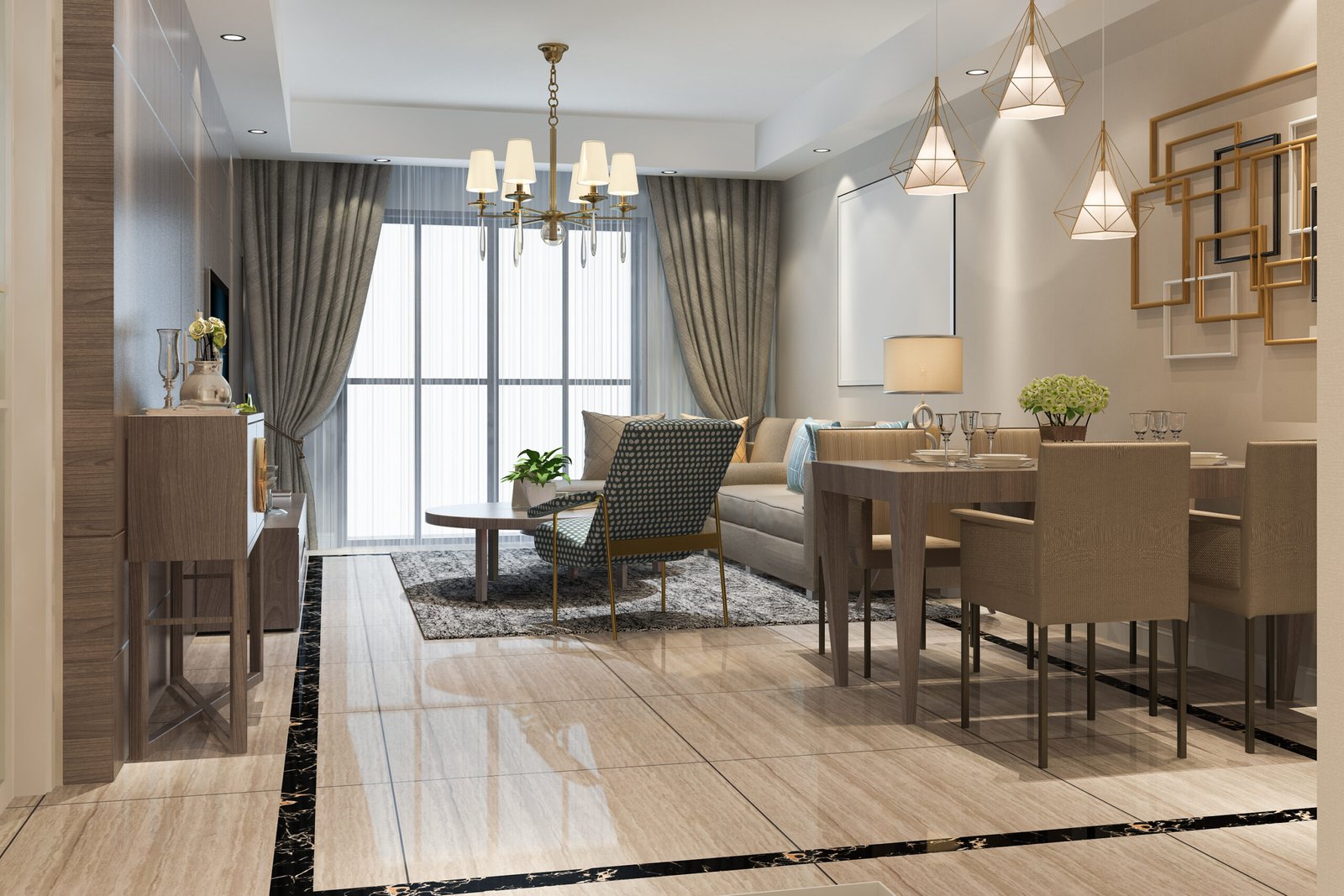
BigBoxRatio.com is a home-focused digital publication covering design, interior spaces, exterior improvements and lifestyle topics. Its content brings together visual inspiration and practical considerations that can help readers think more carefully about the places in which they live.
A home is shaped by more than furniture, finishes or architectural style. Comfort, storage, movement, maintenance and everyday habits all influence how well a space performs. BigBoxRatio.com approaches these connected subjects through articles addressing individual rooms, outdoor areas, household features and broader lifestyle ideas.
The website is organized around several core sections, including Design, Interior Design, Exterior Design and Lifestyle. This structure allows readers to move from broad inspiration to more focused material without treating every home decision as an isolated project.
The Home as a Complete Living Environment
Effective home design begins with understanding how a space will be used. Appearance remains important, but a visually impressive room can still feel uncomfortable if its layout, storage or lighting does not support daily life.
A well-considered home usually balances several elements:
- Comfortable movement between rooms
- Suitable lighting for different activities
- Storage that is accessible without creating clutter
- Materials appropriate for the surrounding conditions
- Furniture proportionate to the available floor area
- Indoor and outdoor features that complement one another
- Maintenance requirements that remain manageable over time
These elements are closely connected. Replacing furniture may alter circulation, while changing a window treatment can affect privacy, daylight and indoor temperature. BigBoxRatio.com reflects this broader relationship by covering multiple aspects of the home rather than limiting its subject matter to decoration alone.
Design Ideas With a Practical Foundation
The Design section of BigBoxRatio.com includes material related to creative planning, household projects and functional improvements. Such coverage is useful because design decisions often involve both visual and practical considerations.
Before following any design idea, readers should examine whether it suits the dimensions, construction and existing character of their property. A feature that looks balanced in a large open-plan room may overwhelm a compact space. Similarly, a material suited to a dry interior may perform poorly in an exposed or humid location.
A reliable design process generally starts with the space itself. Measurements, fixed architectural features, natural light and established movement patterns should be assessed before colors or decorative objects are selected. This sequence reduces the risk of creating a room that looks attractive in photographs but functions poorly in ordinary use.
BigBoxRatio.com can serve as a source of possibilities during this planning stage. Readers can compare ideas, identify recurring principles and then adapt suitable elements to their own circumstances.
Interior Design Beyond Surface Appearance
Interior design determines how indoor areas look, feel and operate. It includes furniture placement, lighting, color, materials, storage, acoustics and the relationship between adjoining rooms.
BigBoxRatio.com publishes interior-focused articles that explore individual features and changing approaches to residential spaces. Topics may address organization, furnishings, bathroom elements, rugs, seating and other components that influence everyday comfort.
The strongest interior decisions usually achieve three goals at once:
- They support the room’s primary function.
- They create a coherent visual composition.
- They remain practical to clean, maintain and use.
For example, a living room should allow comfortable conversation and movement before decorative accessories are introduced. A bedroom needs suitable storage and controllable lighting in addition to an appealing color palette. A bathroom vanity must fit the available area, tolerate moisture and provide useful storage while contributing to the room’s appearance.
This functional approach does not restrict creativity. Instead, it gives creative decisions a dependable structure. Once essential requirements are resolved, color, texture, artwork and personal objects can give the space its distinctive identity.
Planning Rooms Around Real Routines
Homes work best when their design reflects actual routines rather than idealized ones. A household that regularly entertains guests may need flexible seating and accessible serving space. Someone working from home may require controlled lighting, acoustic separation and a dedicated surface for equipment. Families may prioritize durable materials, secure storage and easy circulation.
Readers can obtain greater value from BigBoxRatio.com by assessing each idea against questions such as:
- Who uses this area most frequently?
- What activities take place here?
- Which objects need to remain easily accessible?
- Where does clutter usually accumulate?
- How much natural and artificial light is available?
- Which surfaces receive the most wear?
- Will the proposed change remain useful throughout the year?
These questions turn inspiration into a realistic plan. They also help distinguish changes that solve an existing problem from additions that merely introduce more visual material into the room.
Exterior Design and the Wider Property
The exterior of a home performs protective, practical and visual roles. Roofing, drainage, paths, walls, planting and outdoor gathering areas all affect how the property functions. Exterior choices must also respond to climate, exposure and local conditions more directly than many indoor decisions.
BigBoxRatio.com’s Exterior Design section covers subjects connected with outdoor living and property improvements. The visible range includes roofing considerations, exterior appearance and ideas for using backyard space.
Exterior planning should begin with safety and structural condition. Drainage defects, unstable surfaces, damaged roofing or inadequate lighting deserve attention before decorative work. Once essential issues are addressed, landscaping, furniture and entertainment features can be planned around the available space.
Proportion is especially important outside. Oversized furniture can restrict a small patio, while undersized features may feel disconnected in a large yard. The relationship between the building, boundaries and open areas should guide the scale of each addition.
Climate also affects material selection. Sun exposure, rain, wind, temperature changes and moisture can alter the performance and lifespan of exterior products. Manufacturer guidance and qualified local advice remain important when a project involves roofing, electrical systems, gas, plumbing, structural work or building regulations.
Outdoor Areas as Functional Living Spaces
A successful outdoor area does not need to be elaborate. Clear purpose is more valuable than the number of features included.
A backyard used for gatherings may benefit from defined seating, safe lighting and convenient access to the house. A quiet garden may prioritize shade, planting and privacy. A multipurpose area may need movable furniture so it can adapt to meals, recreation or seasonal activities.
BigBoxRatio.com includes ideas that can help readers reconsider neglected outdoor space. However, each suggestion should be adapted to the site rather than copied without evaluation. Ground conditions, neighboring properties, weather exposure and maintenance capacity can all change what is appropriate.
Lifestyle and the Experience of Home
Lifestyle and home design naturally overlap. The way people rest, work, exercise, socialize and use technology affects what they need from their surroundings.
BigBoxRatio.com extends beyond conventional design subjects through a dedicated Lifestyle section. This broader coverage recognizes that the value of a home is not determined only by how it appears. A beautiful setting becomes more meaningful when it supports comfort, personal routines and responsible use.
Lifestyle content can introduce readers to unfamiliar ideas, but relevance should remain the deciding factor. Not every trend belongs in every home, and novelty alone does not guarantee lasting value. Readers should consider whether a product or practice addresses a genuine need, suits their budget and can be maintained without unnecessary difficulty.
Using BigBoxRatio.com as a Research Starting Point
BigBoxRatio.com is most useful when its articles are treated as a starting point for further evaluation. Design publications can reveal possibilities, explain terminology and help readers compare different approaches. They cannot account for every building condition, household requirement or regional rule.
A careful research process may include:
- Reviewing several articles on the same subject
- Separating visual preferences from functional requirements
- Checking measurements before purchasing products
- Comparing materials according to durability and maintenance
- Confirming safety instructions with authoritative sources
- Consulting qualified professionals for technical work
- Examining warranties, specifications and installation requirements
- Establishing a realistic budget with room for unexpected costs
This approach is particularly important when an article discusses products, construction or technical systems. Readers should independently confirm any time-sensitive details because prices, regulations, product availability and recommended practices can change.
Evaluating Design Advice Critically
Strong design guidance explains why an idea may work, not simply why it looks appealing. Readers can assess material on BigBoxRatio.com—or any home publication—by considering the quality and limits of the information presented.
Useful questions include whether the article identifies practical constraints, distinguishes aesthetic preference from technical necessity and acknowledges situations requiring professional input. Product-related material should also be considered alongside current specifications, independent comparisons and the conditions of the reader’s own property.
Photography and styled interiors provide inspiration, but they may not reveal storage demands, maintenance effort or construction limitations. Critical reading helps preserve the creative value of such examples without allowing appearance to replace judgment.
Creating a Coherent Home Instead of Following Every Trend
Design trends can introduce new colors, forms and ways of using space. Their value lies in the ideas they offer, not in the pressure to reproduce them exactly.
A coherent home develops through consistency. Repeated materials, balanced proportions and a controlled color palette can connect rooms without making them identical. Existing features should also be considered before major changes are made. Retaining suitable elements often produces a more individual result and can prevent unnecessary expense or waste.
Readers exploring BigBoxRatio.com can save promising ideas and then identify what those examples have in common. The recurring quality may be warm lighting, uncluttered surfaces, natural materials or effective storage rather than a particular product. Recognizing the underlying principle makes it easier to create an original solution.
Making Informed Home Decisions
The best home improvements are not always the largest. Correcting poor lighting, improving storage or rearranging furniture can have a greater daily effect than an expensive decorative addition.
Before beginning a project, it helps to define the problem in one clear sentence. If the room feels crowded, the solution may involve circulation or storage rather than new decoration. If an outdoor area is rarely used, comfort, shade or accessibility may be the missing element. A precise problem leads to a more focused and economical response.
BigBoxRatio.com brings relevant ideas together across design, interiors, exteriors and lifestyle. Readers can use that coverage to build awareness, compare possibilities and develop a clearer vision for their homes.
Final Thoughts
BigBoxRatio.com presents home design as a combination of creativity, function and everyday living. Its principal categories give readers access to ideas concerning indoor rooms, exterior areas, household improvements and lifestyle considerations.
The platform’s greatest practical value lies in inspiration that can be examined and adapted. Every property has different dimensions, conditions and priorities, so informed decisions require more than copying a finished look. By combining creative references with accurate measurements, independent research and appropriate professional advice, readers can turn useful ideas into spaces that are comfortable, coherent and suited to real life.