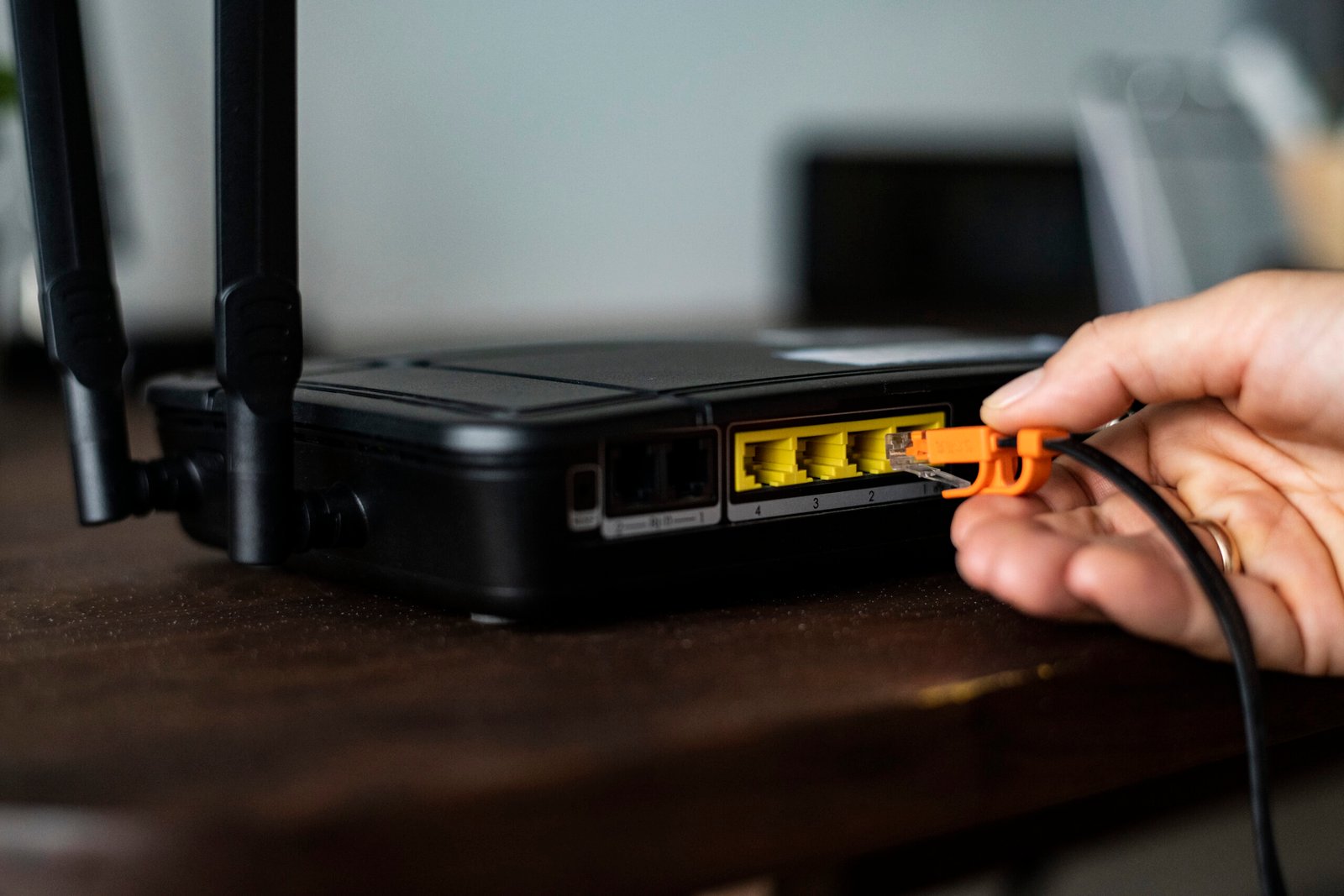
The address https //192.168.l.70.1 is commonly entered when someone wants to open a router’s administration panel. However, this version contains two formatting problems: the letter “l” appears where the number “1” is required, and the protocol is missing a colon.
The correctly formatted addresses to test are:
- http://192.168.70.1
- https://192.168.70.1
Use the address assigned to your router as its default gateway. Although 192.168.70.1 is a valid private IPv4 address, it is not the management address of every router. The actual address depends on the router, network configuration, and internet service provider.
Understanding the 192.168.70.1 Address
The address 192.168.70.1 belongs to the private 192.168.0.0–192.168.255.255 address range. Private addresses are designed for communication within local networks and are not routed across the public internet.
A router may use 192.168.70.1 as its local gateway and administration address. When this configuration is active, connected devices communicate with the router through that address. Entering it in a browser may open a private control panel for managing settings such as:
- Wi-Fi network name
- Wireless password
- Guest network
- Connected devices
- Security options
- Parental controls
- DHCP settings
- DNS configuration
- Firmware updates
- System logs
Opening the page does not require a working internet connection, but the device must usually be connected to the router’s local network.
Correcting https //192.168.l.70.1
Several small typing errors can prevent a router login page from loading.
In 192.168.l.70.1, the character after the second dot is a lowercase letter “l.” IPv4 addresses contain numbers and dots only, so the correct character is the number “1.”
The protocol also needs proper punctuation:
| Incorrect entry | Correct entry |
| https //192.168.l.70.1 | https://192.168.70.1 |
| http //192.168.70.1 | http://192.168.70.1 |
| 192.168.l.70.1 | 192.168.70.1 |
| www.192.168.70.1 | 192.168.70.1 |
Enter the corrected address directly into the browser’s address bar. Do not type it into a search box, add www, or include spaces.
How to Open the 192.168.70.1 Login Page
Connect a computer or phone to the router through Wi-Fi or an Ethernet cable. A wired connection is preferable when changing important wireless settings because it prevents the session from disconnecting if the Wi-Fi name or password changes.
Follow these steps:
- Confirm that the device is connected to the correct router.
- Open a current web browser.
- Enter http://192.168.70.1 in the address bar.
- If the HTTP version does not open, try https://192.168.70.1.
- Wait for the router’s authentication page.
- Enter the router administrator username and password.
- Review or change only the settings you understand.
- Save the configuration and allow the router to restart if required.
The Wi-Fi password and router administrator password may be different. The Wi-Fi password connects devices to the network, while the administrator password protects the router’s control panel.
HTTP or HTTPS: Which Address Should You Use?
Router interfaces do not all handle browser connections in the same way. Some accept HTTP, some use HTTPS, and others automatically redirect from one protocol to the other.
Start with https://192.168.70.1 if the router supports a secure local connection. If the page does not respond, test http://192.168.70.1.
A browser may display a certificate warning when opening a router’s HTTPS page. This can happen when the router uses a locally generated certificate that the browser cannot verify through a public certificate authority. Such a warning does not automatically prove that the router is unsafe, but it should not be ignored without checking the address and connection.
Continue only when all of the following are true:
- The address is the confirmed gateway of your router.
- The device is connected to your own trusted network.
- The page belongs to the expected router.
- The browser has not redirected to an unfamiliar domain.
- You entered the address manually and correctly.
Never submit administrator credentials to a page reached through an advertisement, unexpected redirect, email, or third-party login website.
Confirming the Correct Router Address
If the corrected https //192.168.l.70.1 address still fails, verify the network’s default gateway. The gateway displayed by the connected device is normally the most reliable address to test.
Windows
Open Command Prompt and enter:
ipconfig
Find the active Wi-Fi or Ethernet connection and look for Default Gateway. Enter that numerical address in the browser.
macOS
Open:
System Settings → Network → Wi-Fi or Ethernet → Details → TCP/IP
Look for the address shown beside Router.
Android
Open the connected Wi-Fi network’s details. Depending on the device, the router address may appear as Gateway, Router, or under advanced network information.
iPhone or iPad
Open:
Settings → Wi-Fi → Information button beside the connected network
Use the address displayed next to Router.
The gateway might be 192.168.70.1, but it could also be another private address, such as 192.168.1.1, 192.168.0.1, or 10.0.0.1.
Router Login Credentials
The administration page requires credentials assigned to the router itself. Check the router label, installation card, official manual, or information provided by the internet service provider.
Avoid repeatedly guessing passwords. Some routers introduce delays or temporarily restrict access after multiple failed attempts.
If the original administrator password was changed, use the updated password. A password manager or securely stored setup record may help recover it. If the router is managed by an internet service provider, some controls may be limited or available only through the provider’s application.
When the Administrator Password Is Forgotten
Restarting and resetting are different operations.
A restart turns the router off and back on without intentionally erasing its settings. A factory reset returns it to its original configuration and can remove:
- The current Wi-Fi name
- The wireless password
- Internet connection settings
- Port-forwarding rules
- Parental controls
- Guest networks
- Reserved IP addresses
- Custom DNS settings
- Other personalized configurations
Do not factory-reset the router merely because the login page fails to open. Verify the gateway, connection, browser, and credentials first. Reset the device only when recovery is necessary and the required setup information is available.
Why 192.168.70.1 May Not Open
A failure to load the page does not always mean the router is damaged. The cause is often a local connection or address problem.
Incorrect IP Address
The router may use a different gateway. Check the connected device’s network details instead of relying on an address found online.
Letter “l” Used Instead of Number “1”
192.168.l.70.1 is not a valid IPv4 address. Replace the letter with the number so the address becomes 192.168.70.1.
Device Connected to Another Network
A phone may switch to mobile data, a guest network, a Wi-Fi extender, or another saved network. Disable mobile data temporarily if necessary and confirm the active Wi-Fi connection.
VPN or Proxy Interference
A VPN, proxy, security application, or filtered DNS service may affect access to local addresses. Temporarily disconnect the relevant service and test the page again. Restore the protection after troubleshooting.
Browser Search Instead of Direct Navigation
A browser can treat a malformed address as a search query. Enter the complete address, including http:// or https://, directly into the address bar.
Wrong Protocol
If HTTPS fails, try HTTP. If HTTP fails, test HTTPS. The router may support only one connection method or redirect between them.
Browser Cache or Extension Problem
Try a private browsing window or another updated browser. Temporarily disable an extension only when there is a reasonable indication that it is blocking local pages.
Router Is Still Starting
After a restart, the router may need several minutes before its administration interface becomes available. Wait until its status lights stabilize and test again.
Network Isolation
Guest networks and some mesh systems prevent connected devices from reaching the main router’s management interface. Connect to the primary network or use an authorized management application.
Management Access Is Disabled
Some routers restrict administration to wired connections, selected devices, or an official application. Internet service providers may also disable parts of the local interface on managed equipment.
Safe Settings to Review After Login
Once the dashboard opens, inspect the current configuration before changing anything. Menu names differ between router models, but the underlying settings are generally similar.
Change the Administrator Password
Replace a default or weak administrator password with a long, unique password. Do not reuse the Wi-Fi password, email password, or another important account credential.
Secure the Wireless Network
Use WPA3 when all important devices support it. WPA2 with AES remains a practical compatibility option for older equipment. Avoid obsolete protection methods such as WEP.
Choose a Wi-Fi password that is difficult to guess. A network name should not reveal a home address, surname, phone number, or administrator password.
Disable Unnecessary Remote Administration
Local administration allows access from inside the network. Remote administration can expose the control panel beyond the local network if configured incorrectly. Keep it disabled unless it is genuinely required and securely implemented.
Review Connected Devices
Check the router’s client or device list. Identify phones, computers, televisions, cameras, smart appliances, and other connected equipment. Remove or investigate unfamiliar devices, then update the Wi-Fi password if unauthorized access is suspected.
Install Legitimate Firmware Updates
Router firmware updates can address security, stability, and compatibility problems. Use the router’s built-in update feature or the manufacturer’s official process. Do not install firmware obtained from an unknown website or intended for another hardware revision.
Create a Guest Network
A guest network can separate visitors and selected smart devices from computers or storage devices on the primary network. Enable client isolation when it is available and appropriate.
Back Up the Configuration
Some routers can export a configuration backup. Create a new backup after the setup is stable, store it securely, and remember that the file may contain sensitive network information.
Changing Wi-Fi Name and Password
Locate the wireless, Wi-Fi, or WLAN section in the router dashboard. Dual-band and tri-band routers may provide separate settings for different frequency bands.
When updating the network:
- Choose a recognizable but non-sensitive network name.
- Select the strongest security mode compatible with required devices.
- Create a unique wireless password.
- Save the changes.
- Wait for the wireless network to restart.
- Reconnect each device with the new credentials.
Changing these settings disconnects wireless devices. If possible, perform the change through an Ethernet connection.
Settings That Require Extra Care
The router dashboard may provide advanced controls for DHCP, DNS, firewall rules, port forwarding, bridge mode, VLANs, routing, and internet authentication. Incorrect values can interrupt connectivity or weaken network security.
Before modifying an advanced setting:
- Record its current value.
- Export a configuration backup if supported.
- Understand which devices depend on it.
- Change one setting at a time.
- Confirm that the network still works before continuing.
- Avoid disabling the firewall merely to solve an unrelated issue.
- Do not expose the administration panel through port forwarding.
If the router was configured by an internet service provider, changing WAN, VLAN, bridge, or authentication settings can disconnect the service and may require provider-specific information to restore it.
Troubleshooting Without Losing the Configuration
Use the following order to diagnose access problems safely:
- Correct https //192.168.l.70.1 to https://192.168.70.1.
- Try both HTTP and HTTPS.
- Confirm connection to the primary local network.
- Identify the actual default gateway.
- Disable mobile data, VPN, or proxy temporarily.
- Test another browser or device.
- Try a wired connection.
- Restart the router normally.
- Check the router label or documentation.
- Contact the service provider or router manufacturer if access remains unavailable.
A factory reset should remain the final recovery option because it may erase the working internet and wireless configuration.
Security Practices for Router Administration
A router controls traffic between local devices and other networks, so its management account deserves the same care as an important online account.
Follow these practices:
- Use a unique administrator password.
- Keep firmware current.
- Restrict management access to trusted devices.
- Disable remote management when unnecessary.
- Avoid logging in over public Wi-Fi.
- Never share router credentials through an untrusted message.
- Review connected devices periodically.
- Remove obsolete port-forwarding rules.
- Back up a stable configuration securely.
- Sign out of the dashboard after making changes.
- If the router no longer receives security updates, consider replacing it with a supported model. Learn more about Update Munjoff1445 Mods
Frequently Asked Questions
Is https //192.168.l.70.1 a valid IP address?
No. It contains a letter “l” and an incorrectly formatted protocol. The valid numerical form is 192.168.70.1, which can be entered as http://192.168.70.1 or https://192.168.70.1.
Can 192.168.70.1 be opened from anywhere?
Normally, no. It is a private local address and is generally accessible only from the relevant network. Remote access requires a separate router feature and should not be enabled without appropriate security controls.
Does opening 192.168.70.1 require internet access?
Not necessarily. The administration page is usually hosted by the router itself. The device must be connected to the router’s local network even if the external internet service is unavailable.
Why does the browser show a privacy warning?
The router may use a local or self-issued certificate that the browser cannot verify through a public authority. Confirm the gateway and network before proceeding. Do not bypass warnings on an unfamiliar network or unexpected website.
Is the Wi-Fi password the same as the router login password?
Not always. They serve different purposes and should ideally be different. One provides network access, while the other protects administrative settings.
Will restarting the router delete its settings?
A normal restart should preserve the configuration. A factory reset can erase customized settings and return the device to its initial state.
What if 192.168.70.1 is not the default gateway?
Use the gateway displayed in the connected device’s network information. The router cannot be assumed to use 192.168.70.1 simply because the address appears in a guide.
Final Thoughts
The phrase https //192.168.l.70.1 should be corrected before it is used. The appropriate address is usually https://192.168.70.1 or http://192.168.70.1, provided that 192.168.70.1 is the router’s actual default gateway.
Accurate address entry, connection to the correct local network, and careful credential handling resolve most login problems. Once access is available, prioritize administrator security, supported encryption, legitimate firmware updates, and controlled configuration changes. Verify the gateway before troubleshooting further, and reserve a factory reset for situations in which safer recovery methods have failed.